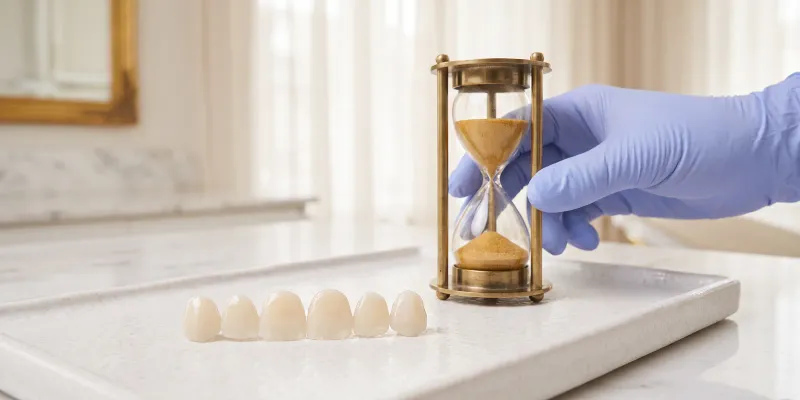
Dental veneers offer patients a more even and bright smile by enhancing the appearance of their teeth. They can typically treat numerous cosmetic issues. These include gaps, uneven coloring, or severe discoloration that teeth whitening cannot address, strangely shaped or pointed teeth, chipped or broken teeth, or smaller than average teeth.
These restorations are typically manufactured in a wide assortment of colors to resemble the natural tooth color. The preparation and placement work is also easy. But after the dentist installs them, it is essential to take preventive measures to protect them from damage.
Benefits of Veneers
Below are the pros of the procedure.
Do Not Need Special Care and Maintenance
Veneers do not require special care and maintenance after installation. Since these restorations are non-porous, they resist damage and stains much better than the real teeth. The only thing you need to do is care for them as you do for your original teeth.
Give a Natural Appearance
The main goal of veneers is to offer a natural appearance to the smile. Since these restorations are available in diverse shades, the dental professional will carefully match them to the natural teeth shade. Individual results vary.
Last for Many Years
With regular dental visits and proper care, porcelain veneers can last many years without requiring any repair. Individual results vary.
Need Minimal Removal of Enamel
Another advantage of veneers is that you don’t need to lose your natural teeth while receiving the procedure. It means the dentist will only trim a tiny amount of enamel from the mouth. On the other hand, for a dental bridge and crown procedure, the patient loses more of their original teeth.
Mask Numerous Cosmetic Imperfections
Veneers at our practice are a quick solution to cover numerous cosmetic dental problems. These include uneven surfaces of teeth, gaps, crookedness, etc. The procedure yields a cosmetic outcome in a fraction of the time. Individual results vary.
Do Veneers Hurt?
The biggest concern for veneer patients is tooth trimming. Although this part of the process offers slight discomfort, it will take no more than half an hour to treat one tooth. In most cases, the dentist eliminates a thin enamel layer (not more than 0.05mm).
The dental professional will use local anesthesia or other numbing agents to help keep patients comfortable. As the numbing takes effect, patients typically feel little or no discomfort. Your dentist will suggest pain relievers for managing the discomfort afterward. When getting a complete veneer set, you can expect soreness of the jaws and gums.
The actual process of veneer placement is comfortable for most patients. It typically takes several weeks for the mouth to adjust to the changes made. Your teeth will feel bulky for several days. You might feel some mild tenderness. However, it will fade away after some time. If your pain or discomfort continues for long after placing the veneer, get in touch with the dentist as soon as possible.
Recommended Veneers Care and Maintenance
Consider the following precautionary measures to prolong the lifespan of your veneer:
- Always wear a mouthguard while taking part in sports activities.
- Do not use your teeth to open anything.
- Try to refrain from hard foods. If you are taking them, chew only using your back teeth.
- Cut the habit of chewing on ice, fingernails, and other hard objects that can damage your restoration.
- Practice good dental hygiene. It includes flossing once, brushing twice a day, and visiting a dentist on a routine basis for dental check-ups and cleanings.
- Stop the habit of clenching or grinding teeth. Talk to the dentist about the treatment choices that will help you address it.
- Say no to smoking and tobacco products. This will not only improve the durability of the veneer but improve your overall health too.
- Try avoiding beverages and foods that can cause your veneer to get yellow or dark. These include soda, coffee, red wine, etc.
- Always use a soft-bristled toothbrush to minimize the rubbing away of veneer polish.
- Look for toothpaste containing fluoride and minimal abrasives to stop the wearing down of restoration. Alternatively, you can use a special whitening paste to prevent the accumulation of plaque and stains on the veneer.
The questions patients ask us first
Do veneers hurt?
Your dentist uses local anesthesia or other numbing agents, so you should feel little or no discomfort during preparation and placement. Mild soreness afterward is common.
How long does soreness last after veneers?
Your teeth may feel bulky and a bit tender for several days, and it fades with time. If pain or discomfort continues for long after placement, contact your dentist as soon as possible.
How much enamel is removed for veneers?
The dentist removes only a thin layer of enamel, which is far less natural tooth structure than a dental bridge or crown requires.
How do I care for my veneers?
Care for them as you do your natural teeth: brush with a soft-bristled toothbrush, floss, avoid chewing hard objects, wear a mouthguard for sports, and keep up with regular dental visits.
This article is general information, not personal medical advice. Every smile and treatment plan is different, so Dr. Hill reviews your options with you at your consultation.