Looking for ways to brighten your smile? In this article, we explore six teeth whitening options, from professional in-office treatments to at-home kits, so you can find the approach that suits your teeth and your goals.
Key Takeaways
- Teeth whitening includes various options, from professional treatments to at-home kits, tailored to enhance your smile and boost confidence.
- Professional in-office whitening treatments like Zoom work quickly, but they may cost more than at-home kits and may cause temporary tooth sensitivity.
- For those with sensitive teeth, options like custom-fit trays and natural alternatives are available, providing gentler whitening solutions.
What Is Cosmetic Teeth Whitening?
Whitening is a cosmetic dentistry procedure that offers various methods for delivering a more radiant smile and enhancing self-assurance. Whether you’re gearing up for an important occasion or just want to improve your self-image, whitening can provide a noticeable improvement.
The central goal is to remove discoloration and make your teeth look whiter. Beyond aesthetic concerns, a luminous smile may also rejuvenate your appearance and potentially improve personal interactions.
In contrast to regular or even specialized whitening toothpastes that produce limited changes, professional treatments are designed to deliver a more noticeable increase in tooth brightness. Individual results vary.
There is an array of options for those interested in brightening their smiles, from simple gels and strips to advanced kits tailored to different preferences and requirements. Exploring them can help you discover which solution aligns with your desired outcome.
Professional In-Office Whitening Treatments
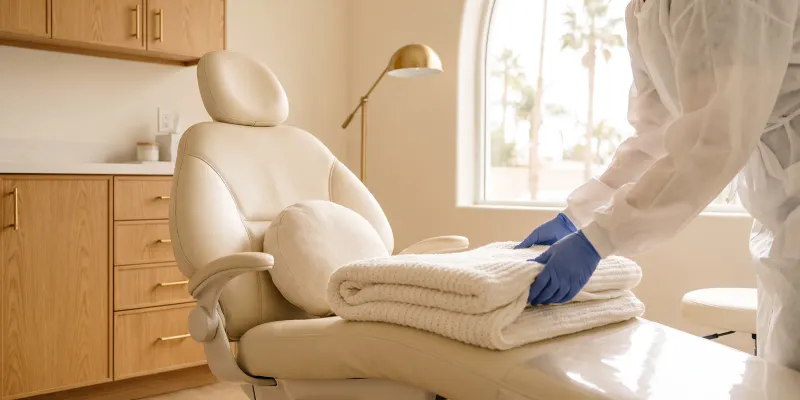
Professional dental treatments use high-grade substances not found in over-the-counter products to address deeper discoloration. Zoom teeth whitening is a popular technique that pairs a potent gel with UV light to remove stains from your teeth.
The main benefit of in-office procedures is their quick and powerful results. You can achieve noticeably lighter teeth within approximately an hour, which suits those who have less time at their disposal. Nevertheless, this expedience does come with higher costs compared to DIY kits.
Although the brightened smile from these professional treatments can be maintained for years if cared for properly, they might cause temporary tooth sensitivity. Individual results vary. To alleviate any discomfort after treatment, dentists often suggest products or methods designed specifically for sensitive teeth.
Professional in-office treatments go beyond what over-the-counter products can accomplish, and they remain widely chosen by those who want swift improvement.
At-Home Whitening Kits Recommended by Dentists
For those who find professional treatments beyond their budget or prefer the ease of home use, numerous at-home whitening kits endorsed by dentists are available. These kits are designed to tackle stains on the surface as well as set-in discolorations, although they might not have the same strength as in-office procedures.
The Crest Whitening Emulsion with LED Light stands out for its user-friendliness and its ability to deliver noticeable changes without causing much irritation. Similarly, Opalescence Go Prefilled Trays provide a rapid whitening effect with a hydrogen peroxide formula.
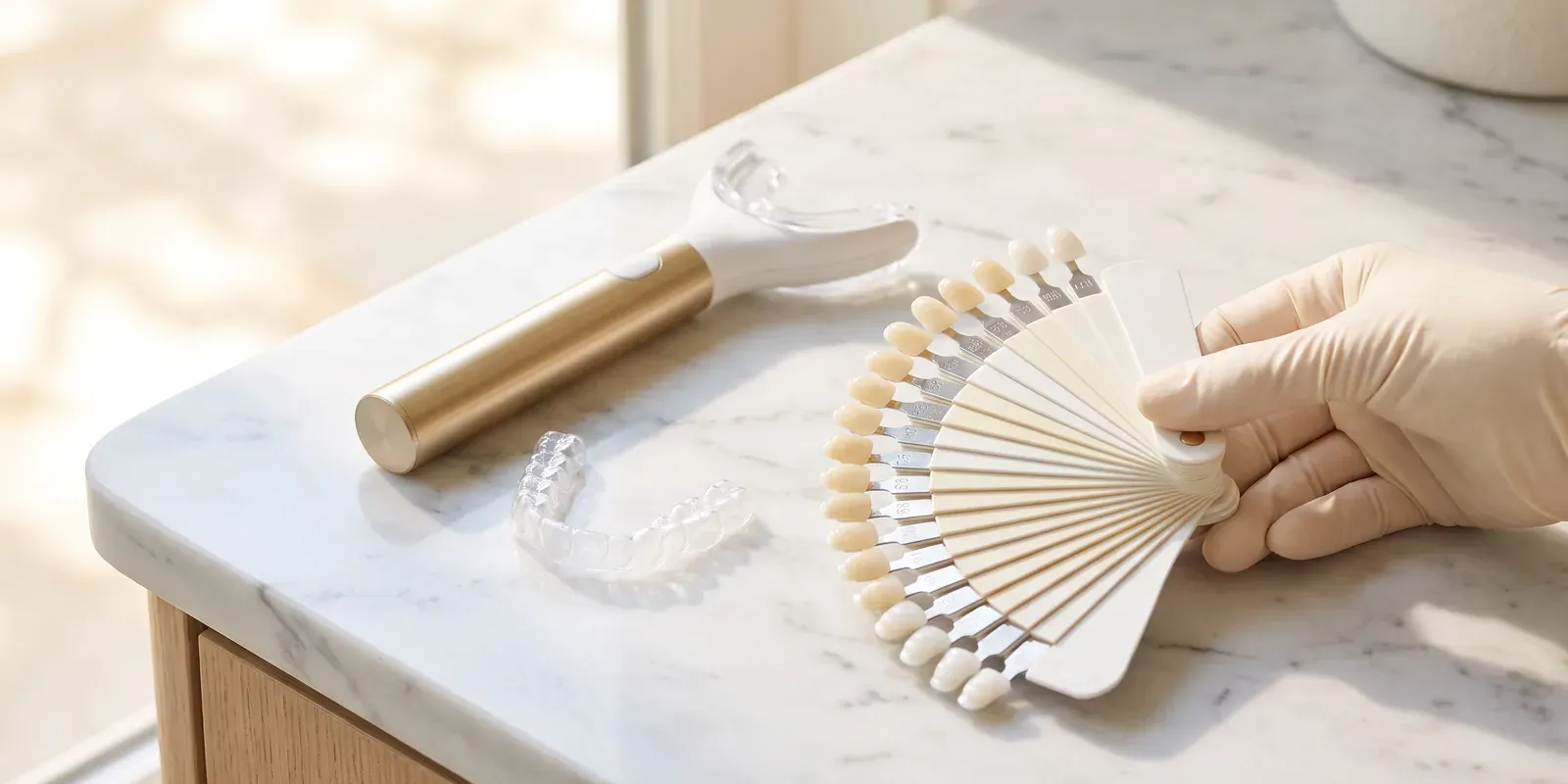
Snow’s Original Teeth Whitening Kit includes an LED mouthpiece attachment and whitening serums. Linhart’s home-use kits are another option. These come with syringes filled with a carbamide peroxide solution, along with an accompanying LED light.
Regular application of these products can make your teeth lighter. Individual results vary, and how comfortable and well-fitting the trays are will significantly influence both usability and whitening outcomes. Home-based solutions give individuals a practical alternative when aiming for a whiter smile.
Whitening Strips for Sensitive Teeth
Individuals who experience tooth sensitivity often face challenges when using whitening products. It’s important for these consumers to select options that can alleviate discomfort while still whitening effectively. Many brands offer specialized whitening strips designed for sensitive teeth, featuring lower levels of peroxide to diminish the risk of irritation.
Those with a tendency toward tooth sensitivity may prefer carbamide peroxide over hydrogen peroxide due to its milder nature. Products like Crest 3D White Whitestrips have been crafted with this consideration in mind and are widely chosen by individuals seeking both efficiency and gentleness.
Some alternatives opt out of traditional chemicals altogether, using natural ingredients such as coconut oil rather than any form of peroxide. These variations cater to those looking for natural methods, and they also adhere better to your dental contours, reducing the chance they might slip off and irritate gums during use.
When it comes time to apply these strips, most require you to keep them on your teeth for at least half an hour if you wish to see significant results from the treatment. For anyone hoping to brighten their smile without exacerbating existing sensitivities, these specially formulated products offer a balance of comfort and effectiveness. Individual results vary.
Custom-Fit Whitening Trays
Whitening trays that are custom-fit provide an enhanced alternative to standard, one-size-fits-all over-the-counter methods. They are specifically constructed to hold the whitening gel firmly against your teeth.
Because their design accommodates a stronger concentration of active components in the gels, these personalized trays can produce discernible improvements within weeks. Individual results vary. The exact alignment boosts comfort and also ensures even distribution of the whitening gel on your teeth, leading to evenly brightened results.
The customization of tailor-made trays offers a balance between efficiency and convenience. They suit those who prioritize uniform outcomes and want a straightforward approach with little inconvenience.
Natural and Peroxide-Free Whitening Options
For those looking to steer clear of chemicals such as hydrogen peroxide, there are natural and peroxide-free whitening options. Lumineux Teeth Whitening Strips use essential oils in place of peroxide, offering a milder option for individuals with sensitive teeth.
These strips incorporate ingredients derived from nature like dead sea salts, mint, and aloe vera to facilitate the whitening process without triggering tooth sensitivity. This sets them apart from traditional whiteners that often rely on harsher substances.
While these natural alternatives may not have the same intense effect as chemical-based methods, they still offer a way to brighten your smile without the discomfort associated with tooth sensitivity. Individual results vary.
Are Cosmetic Teeth Whitening Treatments Safe?
Safety is a top priority for individuals seeking this cosmetic enhancement. While typically secure, these treatments can sometimes result in temporary discomforts such as tooth sensitivity and irritation to the gums. These conditions are especially common when using at-home whitening kits.
To maximize the safety of your whitening, it’s wise to consult with a cosmetic dentist who can evaluate your oral health and advise you on the most fitting treatment options.
Individuals with dental challenges like gum disease or decayed teeth must be particularly diligent before undergoing any whitening procedure. An expert evaluation by a dentist will help determine whether such treatments are advisable for you and what measures should be taken if so.
With supervision from an experienced dentist and conscientious aftercare, whitening can be a safe way to brighten your smile.
Which Option Is Right for You?
Choosing an appropriate whitening method should be based on your oral health, daily habits, and personal choices. Consulting with a cosmetic dentist is beneficial to identify the approach tailored to your situation.
Lifestyle choices such as eating patterns and tobacco use can significantly influence how long you enjoy the effects of whiter teeth. To extend the life of a brighter smile after treatment, it’s advisable to steer clear of foods and drinks that might discolor your teeth. Individual results vary.
To maintain brightness, periodic touch-ups may become necessary, particularly if you’re using at-home whitening kits. Meticulous dental hygiene and avoiding substances known for staining will help keep up appearances while reducing sensitivity following treatments.
In essence, the right path toward whiter teeth hinges on considerations related to your own dental condition and way of life. An informed selection coupled with diligent upkeep can help you keep a bright smile that bolsters your self-assurance.
Summary
A range of whitening choices exist, each with its own advantages and factors to consider. They range from treatments in the dentist’s office to DIY kits for home use, as well as natural substitutes, so there is something for most individuals.
In selecting a route toward whiter teeth, take into account your oral health, potential sensitivity, and daily routines. A consultation with a cosmetic dentist, along with adherence to care instructions after treatment, can help you achieve and preserve a brighter smile.
The questions patients ask us first
What are the main teeth whitening options?
The main options are professional in-office whitening, at-home kits recommended by dentists, whitening strips for sensitive teeth, custom-fit trays, and natural peroxide-free products.
Can whitening cause tooth sensitivity?
Yes. Whitening can cause temporary tooth sensitivity and gum irritation, especially with at-home kits. Strips made for sensitive teeth and custom-fit trays are gentler choices.
Are natural whitening products as strong as chemical ones?
Natural alternatives may not have the same intense effect as chemical-based methods, but they offer a milder option for people who want to avoid peroxide.
Will I need touch-ups after whitening?
Periodic touch-ups may become necessary, particularly with at-home kits. Avoiding foods and drinks that stain your teeth helps your results last longer.
This article is general information, not personal medical advice. Every smile and treatment plan is different, so Dr. Hill reviews your options with you at your consultation.