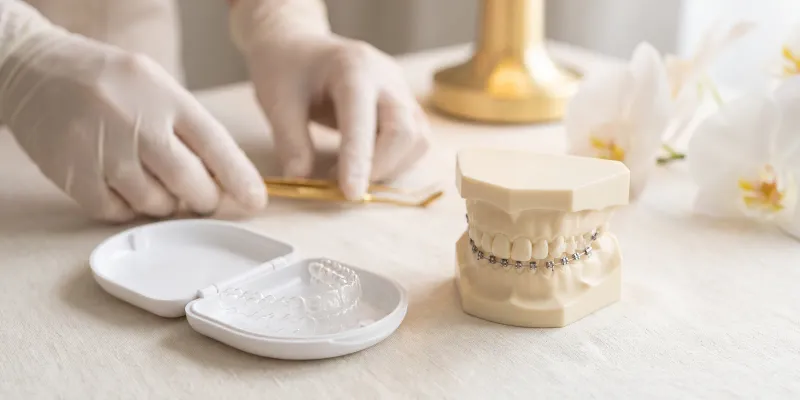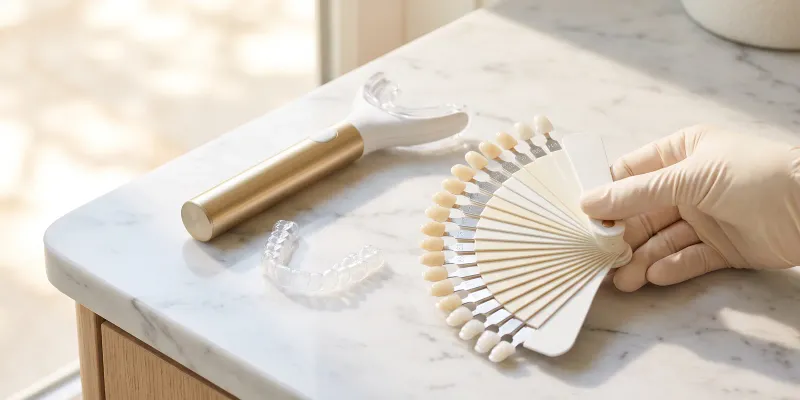
If you have misaligned, crooked, or overcrowded teeth, Invisalign refinement trays can help. The procedure involves a series of removable plastic aligners you wear stepwise. Your dentist plans each aligner tray and alters it slightly from the last one.
You wear a series of removable plastic aligners, often 10 to 30 or more. Each aligner shifts teeth about 0.33 mm before you wear the next aligner.
Every tray applies pressure in different regions as you move through the series. These tiny changes in each tray gradually shift your teeth into alignment.
How Quickly Do Teeth Move with Invisalign?
The fit of the aligners creates a force that helps straighten teeth. The aligner tray is manufactured on a dental cast. Each aligner works on one part of the mouth. It might focus on a single tooth or several, depending on what movements must be done at which treatment stage. Each tray offers constant, gentle pressure to the teeth nearby.
Invisalign gradually shifts teeth to match the shape of each aligner tray. A tooth or several teeth will shift around 0.25 to 0.33 mm. You need to change your aligner set every week or two.
Many patients begin some movements within the first two months after receiving their first aligner tray. Invisalign treatment needs supervision by an experienced provider. We advise you to commit to the tailored plan and wear the aligner trays as recommended.
Since every person is different, the rate at which teeth shift relies on many factors. These include your gum condition, diet, jaw shape, and genetics. Individual results vary.
Clear aligners apply force to the teeth as a whole. It’s the teeth that change, not the aligner tray. With this treatment, each movement of the tooth is planned out.
Aligners apply compression and tension gently and adjust them to reposition teeth gradually over time. The shifting paves the way for cementum and bone resorption.
During the first two weeks, you will become more comfortable with the fit of the aligner tray. You will feel some discomfort for the initial days, but it should wear off after the first week.
What Are the Benefits of Invisalign?
Below are the advantages of clear aligners.
Removable
Unlike braces, Invisalign aligners are removable. You can take them out while flossing, eating, and brushing. It helps you practice good oral hygiene and may reduce the risk of developing gum disease.
Aesthetics
Another reason many patients prefer Invisalign over metal braces is its appearance. The aligners are clear, so they are not easy to spot. It means you can smile without feeling overly self-conscious.
Comfort
Invisalign has no brackets or wires and lacks sharp edges. Therefore, you are less likely to get cuts or nicks in your mouth. Invisalign trays are smooth and generally do not irritate your mouth, which makes them more comfortable than metal braces.
Less Maintenance
Invisalign clear aligners need minimal maintenance. They get grimy with time, so keep your aligner tray clean and follow your provider’s cleaning instructions.
Fewer Issues
There is no risk of a bracket falling off or a wire breaking with Invisalign. This can mean fewer emergency visits.
Easy Teeth Cleaning
Removable aligners make it easy to floss and brush your teeth. It helps lower the bacteria hiding around the gums and teeth, which supports oral health.
Is Invisalign Right for You?
Invisalign is a clear way to straighten teeth. To learn more about Invisalign clear aligner trays, contact Dr. Kerri Hill at The Art of Dental Wellness.
The questions patients ask us first
How much does each Invisalign tray move my teeth?
Each aligner shifts teeth about 0.25 to 0.33 mm before you wear the next one. Each tray applies constant, gentle pressure to the teeth near it.
How often do I change aligners?
You change your aligner set every week or two, moving to the next tray in the series.
What affects how quickly my teeth move?
Every person is different. The rate at which teeth shift relies on factors such as your gum condition, diet, jaw shape, and genetics.
Will Invisalign be uncomfortable?
You will feel some discomfort for the initial days as you get used to the aligner tray, and it should wear off after the first week. The trays have no brackets or wires and are smooth.
This article is general information, not personal medical advice. Every smile and treatment plan is different, so Dr. Hill reviews your options with you at your consultation.