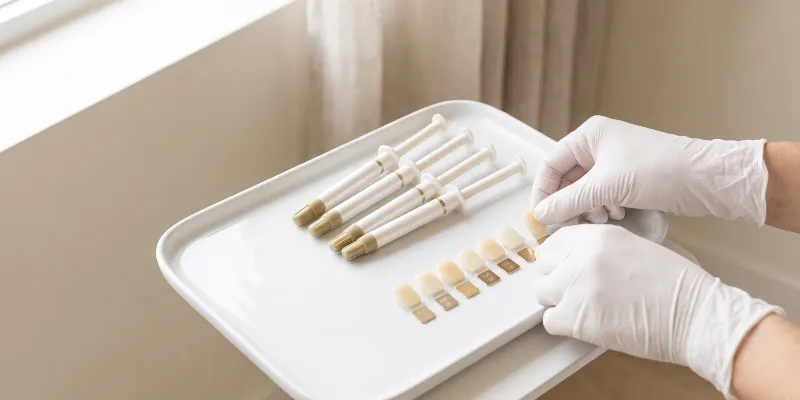
Dental crowns are restorations for damaged teeth. These restorations help restore the tooth’s average size, shape, and functionality. Dental crowns are custom-created in a dental laboratory and can appear natural, depending on their location. Our practice provides ceramic or porcelain dental crowns if you need them for your front teeth. These crowns are customized to resemble your natural teeth. Individual results vary.
Unfortunately, dental crowns are not lifelong and don’t last forever. However, you can prolong the crown’s life if you follow the precautions mentioned by the dentist. Individual results vary. This article looks closely at different types of crowns and their longevity besides the warning signs indicating a crown in your mouth needs replacement.
Reasons for Getting a Dental Crown
If you have a tooth with a large filling without sufficient tooth structure to hold it, a dental crown helps restore and strengthen the tooth. Dentists also recommend dental crowns to fix a broken or cracked tooth, protect a weakened tooth from breaking, protect fragile teeth undergoing root canal treatments, and attach dental bridges. In addition, various materials help make dental crowns, with some lasting longer than others.
What Is Involved in Getting a Dental Crown?
When getting dental crowns from your dentist, you must set aside time for at least two visits spanning three weeks. The first visit is to have your tooth examined, X-rayed, and prepared for restoration by filing the tops and sides.
Our dentist also makes impressions of the prepared tooth so the dental crown can be created in a dental laboratory, and gives you a temporary crown to protect the prepared tooth.
You revisit the dentist three weeks later when the dental laboratory returns your final restoration. The second visit entails removing the temporary crowns, checking the color and fit of the final restoration, and cementing it over the prepared tooth to provide you with a tooth restoration, making you proud to show it off.
Most Common Types of Dental Crowns
Different dental crowns are famous for restoring teeth that have suffered damage. Dental crowns depend on the location and durability of your tooth, your remaining natural tooth, and the visibility of the crown when you smile.
If you need dental crowns for anterior teeth, you will find porcelain fused to metal, and zirconia crowns are the most popular offered by dentists because of their tooth-colored appearance. These crowns can last for many years with proper dental care. However, they are likely to split and crack if subjected to extreme biting forces.
For many years, porcelain fused to metal crowns have been a cosmetic solution for the front teeth. Metals like stainless steel and gold are also well known for their durability.
Metals are resistant to chipping and cracking and adapt well over the tooth. Gold crowns can last for many years, and proper care can prolong their life further. Individual results vary.
Stainless steel may not appear aesthetically pleasing but is incredibly durable, lasting for many years, making it a popular choice for restoring molars. Dentists include materials like gold, chromium, palladium, or nickel to keep gold crowns strong and reduce costs.
Which Dental Crown Should You Consider?
You help yourself by discussing your requirement with the dentist in the facility recommended above. Please do not commit the error of selecting a dental crown yourself without advice from your dentist because you may choose the wrong variety for your tooth to realize later the restoration impacts your appearance.
When you visit the dental crown clinic, the dentist recommends the solution best suited for your unique requirements after examining your tooth to determine the extent of the damage. For example, you can have porcelain fused to metal crowns on your molars if you wish.
However, their higher costs and lower durability will likely deter you from having them over the back teeth. In such cases, you benefit by accepting the dentist’s advice to have metal crowns over your molars because it results in savings and doesn’t require intensive preparation.
Similarly, do not consider gold crowns for your front teeth unless you desire to appear like a gangster from the old mafia movies. Instead, choose a dental crown recommended by the dental facility if you wish to restore your tooth as best possible.
The questions patients ask us first
Do dental crowns look natural?
Ceramic or porcelain crowns are customized to resemble your natural teeth, and they are the type used for front teeth. Individual results vary.
Can a dental crown last forever?
No. Crowns are not lifelong, but you can prolong a crown's life by following your dentist's precautions.
How many visits does a dental crown take?
Plan on at least two visits spanning three weeks. The first prepares the tooth and places a temporary crown, and the second fits and cements the final crown.
Which type of crown should I choose?
Let your dentist recommend one after examining your tooth. The best material depends on the tooth's location, its durability needs, and how visible the crown is when you smile.
This article is general information, not personal medical advice. Every smile and treatment plan is different, so Dr. Hill reviews your options with you at your consultation.